
Verify Every Wire: A Homeowner’s Guide to Preventing Real Estate Wire Fraud in 2026
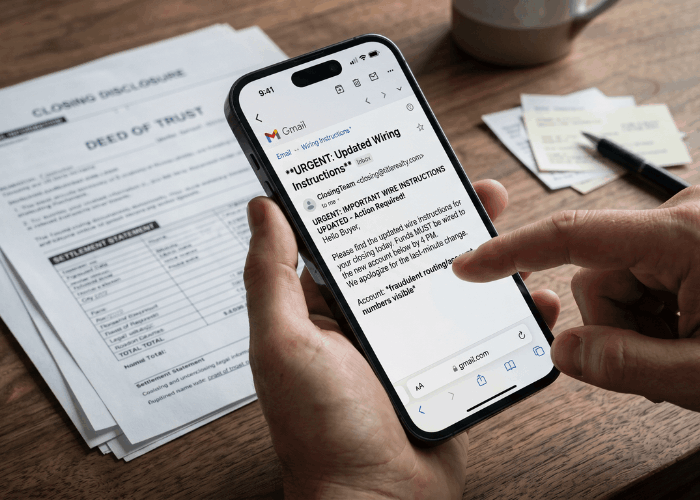
You’ve reached the final stretch. Your loan is approved, the house passed inspection, and the closing date is set. Then, you receive an urgent email: "There has been a change to the wiring instructions. Please send your closing funds to this new account immediately to avoid a delay in your move-in."
Stop. Do not click. Do not send.
In 2026, real estate wire fraud is more sophisticated than ever. Fraudsters target these transactions because they know large sums of money are on the move and that emotions are high. As your Real Estate advisor, my priority is not just finding you a home, but ensuring your transaction is secure. Here is how to protect yourself from the scammers.
Why Real Estate is a Prime Target
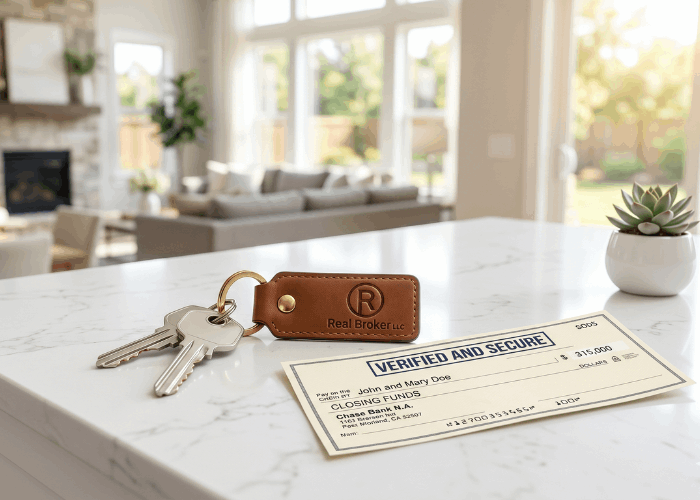
Cybercriminals thrive on the urgency of a closing. They often "spoof" email addresses to make them look exactly like your title officer, lender, or even me, your Realtor. They use familiar logos, signatures, and transaction details to gain your trust. Their goal is to divert your closing funds into an untraceable account, and once that money is gone, it is nearly impossible to recover.
The "Verify Every Wire" Protocol
1. The Red Flag: "Last-Minute Changes"
Legitimate title companies and lenders almost never change wiring instructions at the last minute. If you receive an update claiming there is an "urgent" or "confidential" change to where you should send your money, treat it as fraudulent until proven otherwise.
2. The Golden Rule: Call a Trusted Number
Never rely on the contact information provided in a suspicious email or text.
-
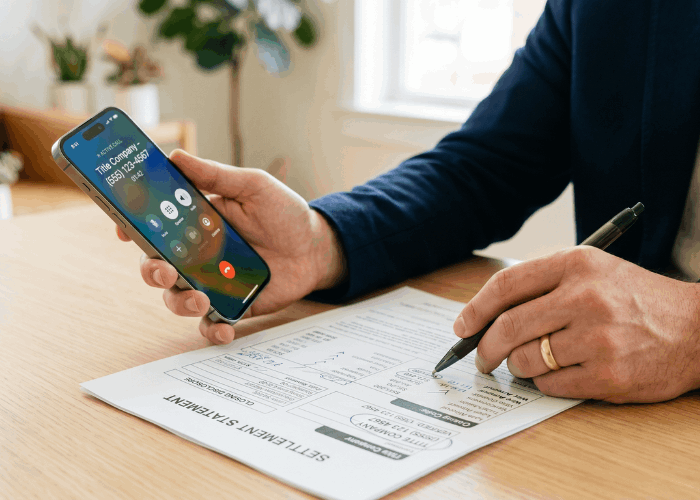
The Step-by-Step: If you receive wiring instructions, pick up the phone and call your Title Company or Realtor using a previously verified phone number.
-
Speak to a Human: Physically speak to your known contact person and have them read the account and routing numbers back to you before you initiate any transfer from your bank.
3. Verify the Sender’s Address
Scammers often use email addresses that are off by just one letter (e.g., shelley@realbroker.com vs. shelley@real-broker.com).
-
Pro-Tip: Hover your mouse over the "From" name to see the actual email address behind it. If it looks even slightly unusual, stop the process.
What to Do If You Suspect Fraud
If you believe you’ve been targeted or have mistakenly sent funds to a fraudulent account, speed is of the essence:
-
Contact Your Bank Immediately: Request a "Wire Recall" or "Fraud Reversal."
-
Alert Your Realtor and Title Company: We need to know immediately to alert our security teams.
-
Report to the FBI: File a report at IC3.gov, the FBI's Internet Crime Complaint Center.
Security is Our Signature
Your home purchase is one of the largest financial commitments you will ever make. By taking one extra step to verify your wire, you are protecting your future and your family. I am committed to a "Safety-First" approach, guiding you through every document and every dollar with the care you deserve.
Want a partner who puts your security first? Let’s talk about your next move in the South Houston corridor.
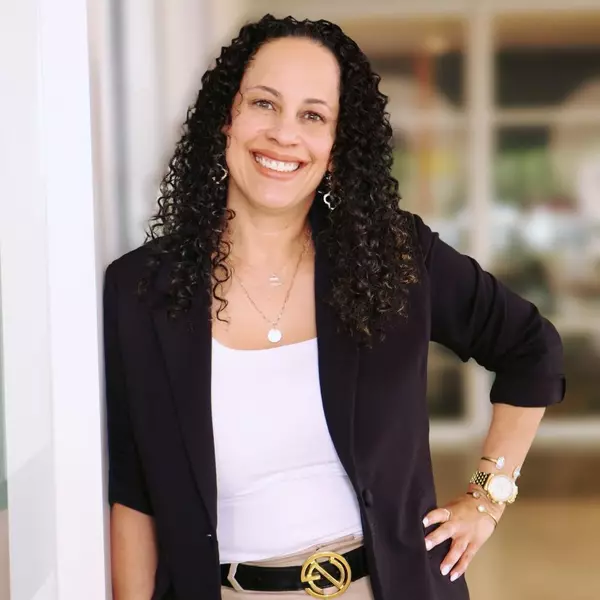
Contact Shelley Broussard Today:
-
Call or Text: 832-890-3504
LEGAL DISCLAIMER
Fair Housing: Shelley Broussard and Real Broker LLC provide equal professional service regardless of race, color, religion, sex, handicap, familial status, or national origin. Security Accuracy: This guide is intended to raise awareness of common fraud tactics. Cybersecurity threats evolve rapidly; always follow the specific security protocols provided by your financial institution and title company. This content is for educational purposes and does not constitute legal or financial advice.
Categories
- All Blogs (107)
- Builder (2)
- Buyer (42)
- Closing Costs (10)
- First Time Home Buyer (17)
- Friendswood Neighborhoods (24)
- Houston Neighborhoods (23)
- Incentives (8)
- Just Fun (2)
- League City Neighborhoods (24)
- Manvel Neighborhoods (24)
- New Construction (5)
- New Homes (7)
- Pearland Neighborhoods (19)
- Real Estate (37)
- Real Estate Agent (19)
- Realtor (11)
- Relocation (18)
- Seller (37)
Recent Posts